
Do You Need a Permit to Remodel in Massachusetts? What Homeowners Should Know
· By Lauderly G. Lima
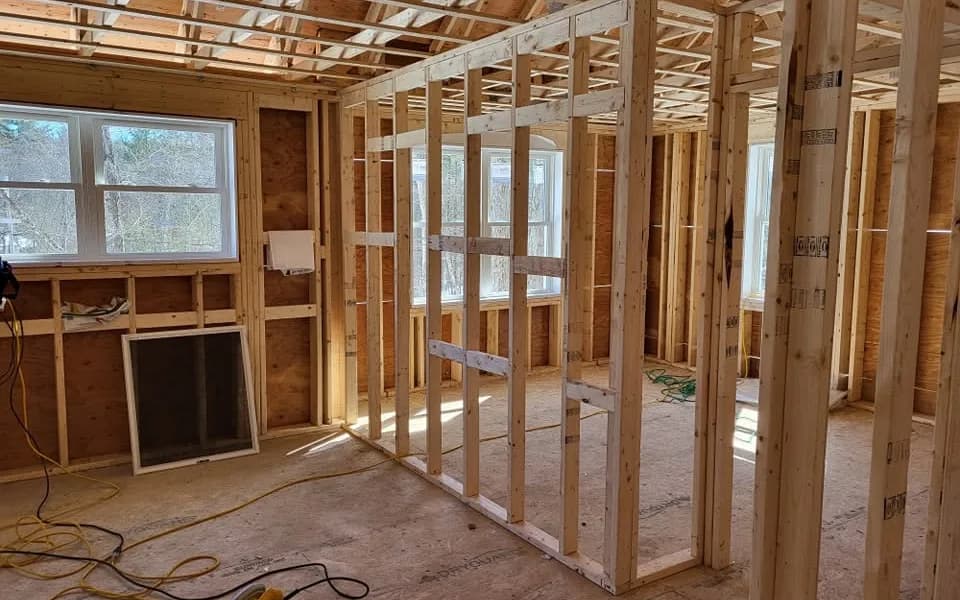
Permits are the part of remodeling nobody gets excited about, and the part that causes the most trouble when it gets skipped. In Massachusetts, building work is governed by the State Building Code (780 CMR), and it is enforced town by town through each local building department. The short answer to the permit question is that most work beyond cosmetic finishes needs one.
This guide explains what typically requires a permit, what usually does not, who is supposed to pull it, how electrical and plumbing permits fit in, and what to expect from inspections. Rules vary slightly between communities, so always confirm with your town or city building department before work begins.
Projects That Typically Need a Building Permit
As a general rule in Massachusetts, you need a building permit for anything that changes the structure, the use, or the safety systems of the house. That includes additions, new rooms, finishing a basement or attic into living space, removing or altering walls (especially load-bearing ones), new or enlarged window and door openings, and structural repairs to floors, beams, or foundations.
Exterior work is included too. Decks and porches almost always need a permit, and so does reroofing and residing in most Massachusetts communities. Replacement windows often require a permit as well, partly because of energy code and egress rules for bedrooms. Kitchen and bathroom remodels need permits whenever they involve moving walls, new wiring, new plumbing, or new venting, which is most of them.
Sheds, fences, retaining walls, and pools have their own thresholds that depend on size and height, and local zoning bylaws often add setback rules on top of the building code.
What Usually Does Not Need a Permit
Cosmetic work generally does not. Painting, wallpaper, replacing carpet or flooring, installing new cabinet doors, swapping a faucet or a light fixture in the same location, and minor repairs that do not touch structure or systems are usually fine without a permit.
The gray area is where homeowners get caught. Replacing a vanity is cosmetic, but moving the drain is plumbing work that needs a licensed plumber and a permit. Replacing a few rotted deck boards is a repair, but rebuilding the frame is new construction. When in doubt, a quick call to the building department costs nothing and saves headaches later.
Who Pulls the Permit
On most remodeling jobs, the contractor pulls the building permit. In Massachusetts, structural work is generally supervised by someone holding a Construction Supervisor License (CSL), and for work on an existing home the permit application usually also lists the contractor's Home Improvement Contractor (HIC) registration. The person who pulls the permit is the one responsible to the building inspector for the work meeting code.
Homeowners can pull their own permits for work on a home they own and live in, but that means taking on responsibility for code compliance. It can also affect your consumer protections: homeowners who pull their own permit while using a contractor may lose access to the state HIC Guaranty Fund. If a contractor suggests you pull the permit to save time, ask why.
Electrical, Plumbing, and Gas Permits
Massachusetts treats trades separately. Electrical work requires a permit pulled by a licensed electrician and is inspected by the local wiring inspector. Plumbing and gas work require permits pulled by a licensed plumber or gas fitter, inspected by the plumbing and gas inspector. Massachusetts is stricter than many states here, and homeowners generally cannot do their own plumbing or gas work.
On a kitchen or bathroom remodel, that usually means three permits: building, electrical, and plumbing. A general contractor coordinates all of them, schedules the trades in the right order, and makes sure each inspection happens before walls get closed up.
How Inspections Work
Inspections follow the stages of the job. A typical remodel or addition might see a footing or foundation inspection, a framing inspection once the structure is up, rough electrical and rough plumbing inspections before insulation, an insulation inspection, and a final inspection when the work is complete. Decks usually get a footing inspection before concrete is poured and a final at the end.
During the final, many communities also check smoke and carbon monoxide alarms, since Massachusetts has specific requirements for these when permitted work is done. Once everything passes, the permit is closed out and the record stays with the property.
Older housing stock adds a wrinkle. Central Massachusetts is full of homes built long before current codes, from mill-era houses and triple-deckers to early colonials and capes. Opening a wall can reveal undersized framing, old wiring, or missing fire blocking. Inspectors generally focus on the new work, but they will expect obvious hazards that the work exposes to be addressed.
Why Skipping the Permit Costs More
Unpermitted work tends to come back. Buyers' inspectors and town records can flag additions, finished basements, and decks that were never permitted, which can delay a sale or force you to open walls for inspection after the fact. Insurance carriers may question claims tied to unpermitted work. And if a town discovers work in progress without a permit, it can issue a stop work order and fines.
Permit fees in most Central Mass communities are modest compared to the project cost, often calculated on the value of the work. On a typical remodel the fees are a small slice of the budget, and the inspections give you an independent check on the work.
Lead Paint, Energy Code, and Who Handles the Paperwork
If your home was built before 1978, renovation that disturbs painted surfaces generally falls under lead-safe work rules, and Massachusetts runs its own lead-safe renovation program. Contractors should be prepared to contain dust and follow those practices.
Many Massachusetts communities have also adopted the state's stretch energy code or the specialized code, which affects insulation and window requirements on additions and major renovations. Your building department can tell you which code applies in your town.
Delane Construction has more than 27 years of general contracting experience and works with building departments across Central Massachusetts, from Leominster and Fitchburg to Worcester and the surrounding towns. When we take on a project, permits, trade coordination, and inspections are part of the plan from the first visit. Request a free estimate and we will walk through what your project needs.
Frequently asked questions
- Do I need a permit to remodel a kitchen in Massachusetts?
- Usually, yes. A kitchen remodel that moves walls, adds circuits, relocates plumbing, or adds venting typically needs a building permit plus separate electrical and plumbing permits pulled by licensed trades. Replacing cabinets and countertops in the same layout without touching systems may not, but confirm with your local building department.
- Do you need a permit to replace a roof in Massachusetts?
- In most Massachusetts communities, reroofing requires a building permit, and the work is covered by the Home Improvement Contractor rules when done on an existing home. Check with your town's building department for its specific requirements.
- Can a homeowner pull their own building permit in Massachusetts?
- Yes, homeowners can generally pull a building permit for work on a home they own and occupy, but they take on responsibility for code compliance. Electrical, plumbing, and gas permits must generally be pulled by licensed trades. A homeowner who pulls the permit while hiring a contractor may lose access to the HIC Guaranty Fund.
- Do I need a permit to build a deck in Massachusetts?
- Almost always. Decks need a building permit and typically a footing inspection before concrete is poured, with footings set below the frost line, often 48 inches in much of Central Massachusetts. Local zoning may also set setback limits.
- What happens if I remodel without a permit?
- The town can issue a stop work order and fines, and you may have to open finished walls so the work can be inspected. Unpermitted work also tends to surface during a home sale and can complicate insurance claims.
Found this helpful? Make us a preferred source on Google.
Ready for an exact price?
Get a free, no-pressure in-home estimate. Real numbers for your home, not a phone guess.