
How Much Does a Bathroom Remodel Cost in Massachusetts? (2026 Guide)
· By Lauderly G. Lima
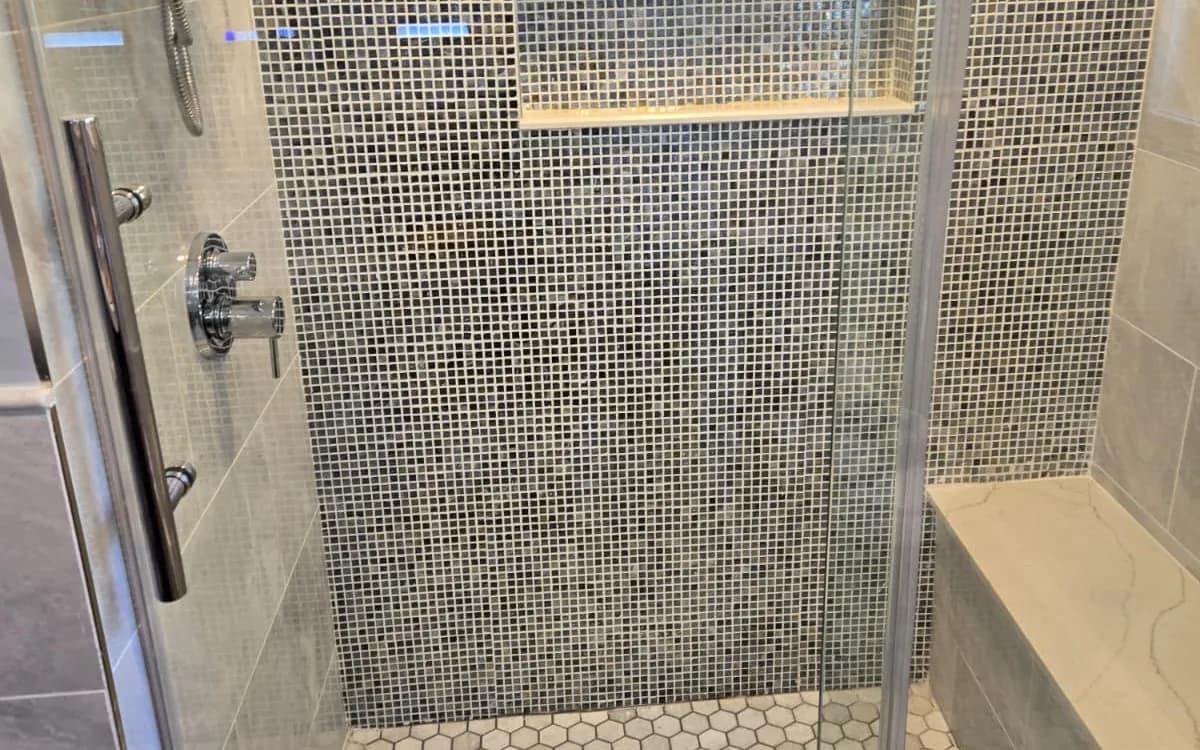
Bathrooms are small rooms with a lot packed into them: water supply, drains, venting, electrical, tile, waterproofing, and fixtures, all in maybe 40 to 60 square feet. That density is why a bathroom remodel often costs more than people expect for the size of the room, and why the range between a basic update and a full renovation is so wide.
This guide covers typical 2026 market ranges for bathroom remodels in Massachusetts, what moves a project up or down that range, and the local factors that matter in Central Mass, from older plumbing to permits and ventilation. Use these numbers to plan, then get a real figure from someone who has seen your bathroom.
Typical Bathroom Remodel Cost Ranges in Massachusetts
As a rough guide for 2026, most Massachusetts bathroom projects fall into three tiers. A cosmetic update (new vanity, toilet, faucet, lighting, mirror, paint, and possibly new flooring, with the tub or shower left in place) typically runs from about $8,000 to $18,000 for a standard hall bath.
A mid-range remodel that replaces the tub or shower, retiles the walls and floor, adds proper waterproofing, upgrades the fan, and updates plumbing valves in the same layout commonly falls in the $18,000 to $40,000 range. A full gut or primary bath renovation with a larger tiled walk-in shower, custom glass, double vanity, heated floors, or a changed layout often starts around $40,000 and can go past $60,000 or more.
Central Massachusetts communities such as Leominster, Gardner, and Fitchburg tend to land a bit lower than the Boston suburbs for the same scope, mostly because of labor and overhead. Fixtures, tile, and glass cost roughly the same across the state.
What Drives the Price of a Bathroom
The shower or tub area is the biggest single factor. A one-piece acrylic tub surround costs far less than a custom tiled shower with a niche, bench, and frameless glass. Tile itself varies widely in price, but the labor to install it varies even more: small mosaic tile and complex patterns take much longer than large format tile on a simple wall.
Moving fixtures is the second big driver. Keeping the toilet, sink, and tub where they are lets the plumber reuse existing drains. Moving a toilet even a couple of feet can mean cutting into joists and rerouting a large drain line, which adds cost and sometimes structural repair. Converting a tub to a walk-in shower is popular, but the drain location and the floor slope need to work.
Finish choices add up quickly: vanities, faucets, thermostatic valves, frameless glass, heated floors, and lighting each have budget, mid, and premium versions. Choosing where to spend and where to save is the best lever homeowners have.
Older Homes and Hidden Water Damage
Many Central Mass homes are capes, colonials, and multi-family houses built well before modern building codes. Bathrooms in these houses often sit on top of decades of slow leaks. Once the old tile or tub comes out, it is common to find soft subfloor, rotted joist ends near the toilet, cast iron drains with cracks, galvanized supply pipes clogged with scale, or a floor that has sagged over the years.
Older bathrooms also tend to lack a real exhaust fan, or have one venting into the attic instead of outside. In New England, where winters keep windows closed for months, poor ventilation leads to peeling paint, mold, and moisture problems in the framing. A properly sized fan ducted to the exterior is one of the most valuable parts of any bathroom remodel. Plan a contingency of roughly 10 to 20 percent in an older home to cover repairs found after demolition.
Waterproofing: The Part You Should Never Cut
Tile and grout are not waterproof on their own. A tiled shower needs a continuous waterproof layer behind the tile, using a membrane system or properly installed backer board with sealed seams, along with a correctly sloped shower pan. When this step is skipped or rushed, water slowly reaches the framing and the problem shows up years later as loose tile, staining on the ceiling below, or rot.
Ask any contractor how they waterproof a shower and what system they use. A clear, specific answer is a good sign. This is also a reason to be careful with very low bids: the waterproofing is hidden once the tile is up, so it is an easy place to save money in a way you will not see until it fails.
Permits and Rules in Massachusetts
In Massachusetts, plumbing work must be done by a licensed plumber under a plumbing permit, and new electrical work like circuits, lighting, or a fan needs a licensed electrician and an electrical permit. If the remodel involves structural changes, such as moving a wall or repairing joists, a building permit through the local building department is usually required as well. Each city sets its own fees and inspection process.
Contractors working on existing owner-occupied homes with one to four units must be registered with the state as Home Improvement Contractors, and the state expects a written contract for that work. Homes built before 1978 may have lead paint, so demolition in those houses should follow lead-safe work practices. None of this should scare you off; it simply means the right trades and permits need to be part of the plan and the price.
How Long a Bathroom Remodel Takes
A cosmetic bathroom update can often be finished in one to two weeks. A mid-range or full remodel typically takes three to six weeks once work begins, with time needed for demolition, rough plumbing and electrical, inspections, waterproofing, tile, and finish work. Custom glass is usually measured after tile is done and can add a week or two of wait.
If the home has only one bathroom, talk through the schedule in advance. Some steps can be arranged to keep a working toilet available most nights, and knowing the plan up front makes the project much easier on the household.
Getting an Accurate Estimate
The fastest way to a real number is a site visit, where a contractor checks the condition of the floor, looks at the plumbing access from below or from an adjacent wall, sees the ventilation, and listens to what you want the room to do. You should then get a written proposal with a clear scope, so different bids can be compared on the same terms.
Delane Construction has handled bathroom and full home remodeling across Central Massachusetts for more than 27 years. If you are in Leominster or within about 40 miles, a free estimate will turn these ranges into a number that fits your bathroom.
Frequently asked questions
- What is the average cost of a bathroom remodel in Massachusetts in 2026?
- Most Massachusetts bathroom remodels typically range from about $8,000 for a cosmetic update to $40,000 for a mid-range remodel, with full primary bath renovations often going past $60,000. The shower design, tile, and whether fixtures move are the biggest factors. An in-home estimate gives the real number.
- Do I need a permit to remodel a bathroom in Massachusetts?
- Usually yes if plumbing or electrical work is involved. Massachusetts requires licensed plumbers and electricians to pull their own permits, and structural changes need a building permit from the local building department. A cosmetic update with no plumbing or wiring changes may not need one, but check with your city first.
- How long does a bathroom remodel take?
- A cosmetic update often takes one to two weeks. A mid-range or full remodel commonly takes three to six weeks after work begins, depending on inspections, tile complexity, and lead time for custom glass. Hidden water damage in older homes can add time once the floor is opened.
- Is it worth converting a tub to a walk-in shower?
- For many homeowners, yes, especially in a primary bathroom or for aging in place. A walk-in shower is easier to step into and can make a small room feel larger. If it is the only tub in the house, some buyers with young children may prefer a tub, so consider how long you plan to stay.
- Why are bathroom remodels so expensive for such a small room?
- Bathrooms concentrate several trades in a small space: plumbing, electrical, ventilation, waterproofing, tile, and carpentry. Each trade has its own labor, permits, and inspections, and tile work is slow and detailed. That density of skilled work is why cost per square foot is high compared with other rooms.
Found this helpful? Make us a preferred source on Google.
Ready for an exact price?
Get a free, no-pressure in-home estimate. Real numbers for your home, not a phone guess.