
Remodel or Move? A Practical Decision Guide for Central Massachusetts Homeowners
· By Lauderly G. Lima
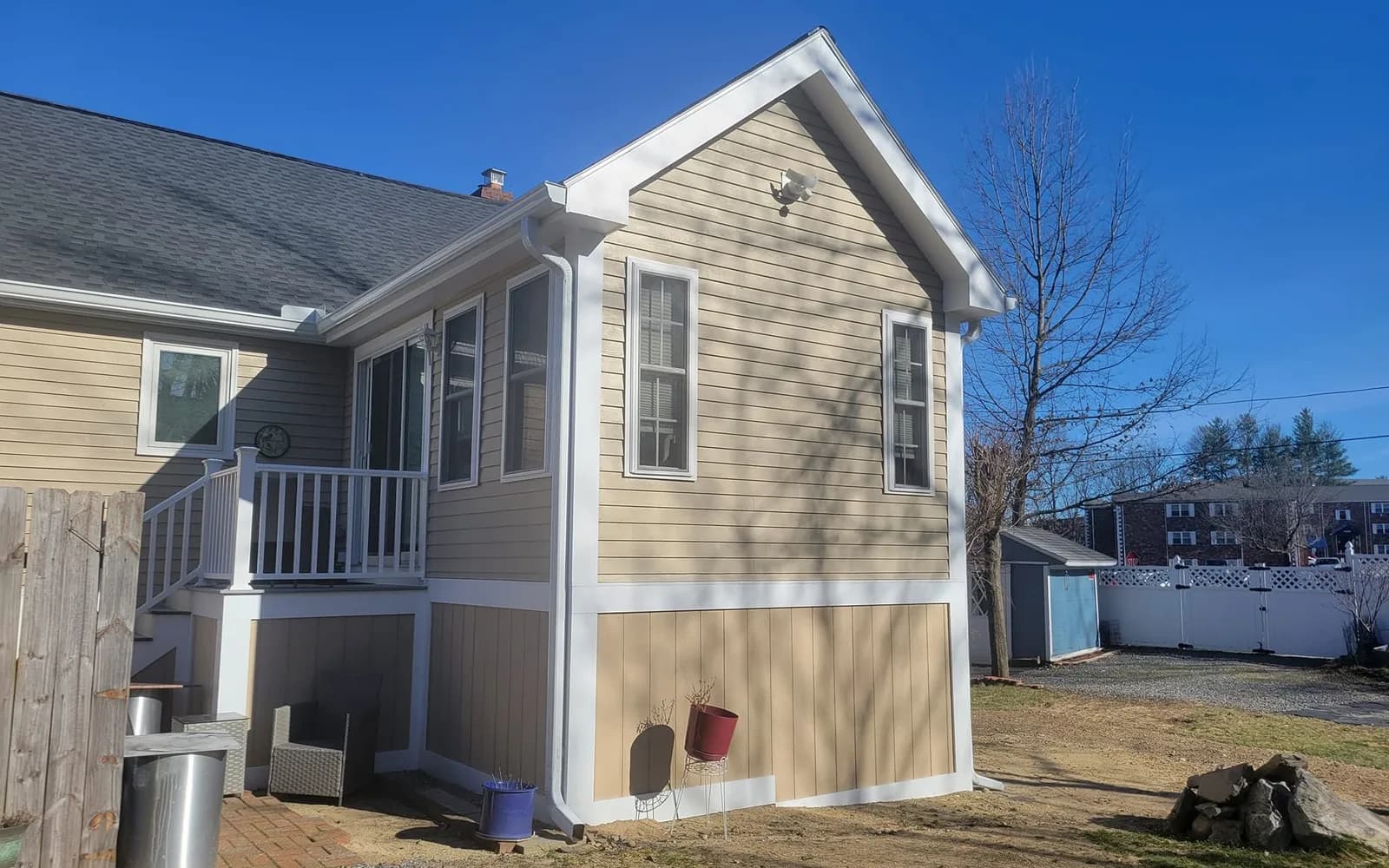
The kitchen is too small, the family needs another bedroom, or the only bathroom has become a daily traffic jam. At some point most homeowners ask the same question: do we fix this house, or sell it and buy one that already works?
There is no single right answer, but there is a right way to decide. It comes down to the real costs on both sides, what you love or do not love about where you live, and what your house and lot can physically become. This guide walks through each piece with Central Massachusetts in mind, where housing inventory is often tight and many homes are older than their owners.
Start With the Real Reason You Want a Change
Write down exactly what is not working. Is it space (not enough bedrooms, no home office), layout (a closed-off kitchen, no first-floor bathroom), condition (an old roof, drafty windows, a dated bath), or location (commute, school district, neighborhood)?
This list matters because remodeling can solve the first three, but it can never solve location. If the real problem is a long commute or the wrong town, moving is probably the answer. If you love your street, your neighbors, and your kids' school, and the problem is the house itself, remodeling deserves a serious look.
What Moving Really Costs in Massachusetts
The price difference between your house and the next one is only part of the cost of moving. On the selling side, there are real estate commissions (traditionally a meaningful percentage of the sale price, though rates are negotiable), the Massachusetts deed excise tax paid by the seller, attorney fees, and often some repairs or prep work to get the house market-ready.
On the buying side, there are closing costs, lender fees, inspections, and possibly a higher mortgage rate than the one you have now. That last item can be the biggest one of all. Many homeowners locked in low rates years ago, and trading that for a new loan at today's rates can raise the monthly payment far more than the purchase price alone suggests. Then add movers, time off work, and the fact that the next house will probably need its own updates.
When you add it all up, the transaction costs alone on a typical Central Mass move often run into the tens of thousands of dollars before you change a single thing about the new house. That money buys nothing you can live in.
What Remodeling Typically Costs
Remodeling costs vary widely, so treat these as broad market ranges rather than a quote. A mid-range bathroom remodel in Massachusetts often lands in the tens of thousands of dollars. Kitchen remodels typically range from the tens of thousands for a refresh to well into six figures for a full gut with layout changes. Additions are the largest investment, commonly priced per square foot and usually reaching six figures once foundation, framing, roofing, systems, and finishes are included.
Older homes add variables. Triple-deckers, capes, and colonials built decades ago may need electrical upgrades, insulation, or framing repairs once walls are opened. A careful on-site estimate is the only way to get a reliable number for your house, which is why the first step is always a free estimate, not a guess from a chart.
Can Your House and Lot Actually Become What You Need?
Before deciding to remodel, check what is physically and legally possible. Zoning rules in your town set limits on lot coverage, setbacks from property lines, and building height, which can rule out an addition in a certain direction. A small lot may push you to build up (a second-story addition or a dormer on a cape) rather than out.
If your home is on a septic system, adding bedrooms usually requires review by the local Board of Health under Title 5, and the existing system may need to be inspected or upgraded. Homes in historic districts may need design approval. A contractor who works in your area can usually flag these issues at the first site visit, and your town's building department can confirm what is allowed.
Resale Value and Return on Investment
Most remodeling projects do not return 100 percent of their cost at resale, and anyone promising that is overselling. National cost-versus-value studies generally show that smaller, practical projects (like a minor kitchen update, new siding, or a new entry door) tend to recover a larger share of their cost than large luxury projects. Results in your neighborhood will vary.
The better way to think about value is this: if you plan to stay for many years, you get the use of the remodel every day, and the resale value is a bonus. If you might sell within a couple of years, focus on projects that fix obvious problems and broad-appeal updates, and avoid over-improving for your street. A house that becomes the most expensive on the block rarely gets all that value back.
The Life Factors That Do Not Fit in a Spreadsheet
Remodeling means living with dust, noise, and crews in your house for weeks or months, or temporarily moving out for a large project. Moving means packing, showings, the risk of not finding the right house in a tight market, and possibly changing schools. Neither is painless.
Think about where you want to be in five or ten years. A first-floor bedroom and accessible bathroom can let you age in the same home. A larger kitchen and an addition can turn a starter home in Leominster or a nearby town into the house you keep. Sometimes the emotional value of staying put is the deciding factor.
A Simple Way to Decide
Get two numbers. First, ask a local real estate agent what your house would sell for and what a home that meets your needs would cost, then add the transaction costs and the change in your monthly payment. Second, get a written estimate for the remodel that would fix your list.
If the remodel solves your problems for meaningfully less than the cost of moving, and the house and lot allow it, remodeling usually wins. If location is the real issue, or the remodel would push your home well above the value of the neighborhood, moving may make more sense. Either way, a free estimate gives you a real number to compare instead of a guess.
Frequently asked questions
- Is it cheaper to remodel or move in Massachusetts?
- It depends on the project and the market, but remodeling is often cheaper when the house needs one or two major changes, because moving carries large transaction costs like commissions, the deed excise tax, closing costs, and possibly a higher mortgage rate. Moving can make more sense when location is the main problem.
- Do remodels pay for themselves at resale?
- Usually not fully. Most projects recover only part of their cost at resale, and smaller, practical updates tend to recover a larger share than big luxury projects. The main return on a remodel is the years you get to enjoy it.
- Can I add a bedroom if my house has a septic system?
- Often yes, but adding bedrooms on a septic system usually requires Board of Health review under the Massachusetts Title 5 rules, and the system may need to be inspected or upgraded to handle the higher design flow. Check with your town before finalizing plans.
- How do I know if my lot allows an addition?
- Your town's zoning bylaw sets limits on setbacks, lot coverage, and height. The building or zoning department can confirm what is allowed, and an experienced local contractor can often spot likely limits during the first site visit.
Found this helpful? Make us a preferred source on Google.
Ready for an exact price?
Get a free, no-pressure in-home estimate. Real numbers for your home, not a phone guess.