
Remodeling in Gardner, MA: Multi-Family Homes, Hill-Town Winters, and Smart Upgrades
· By Lauderly G. Lima
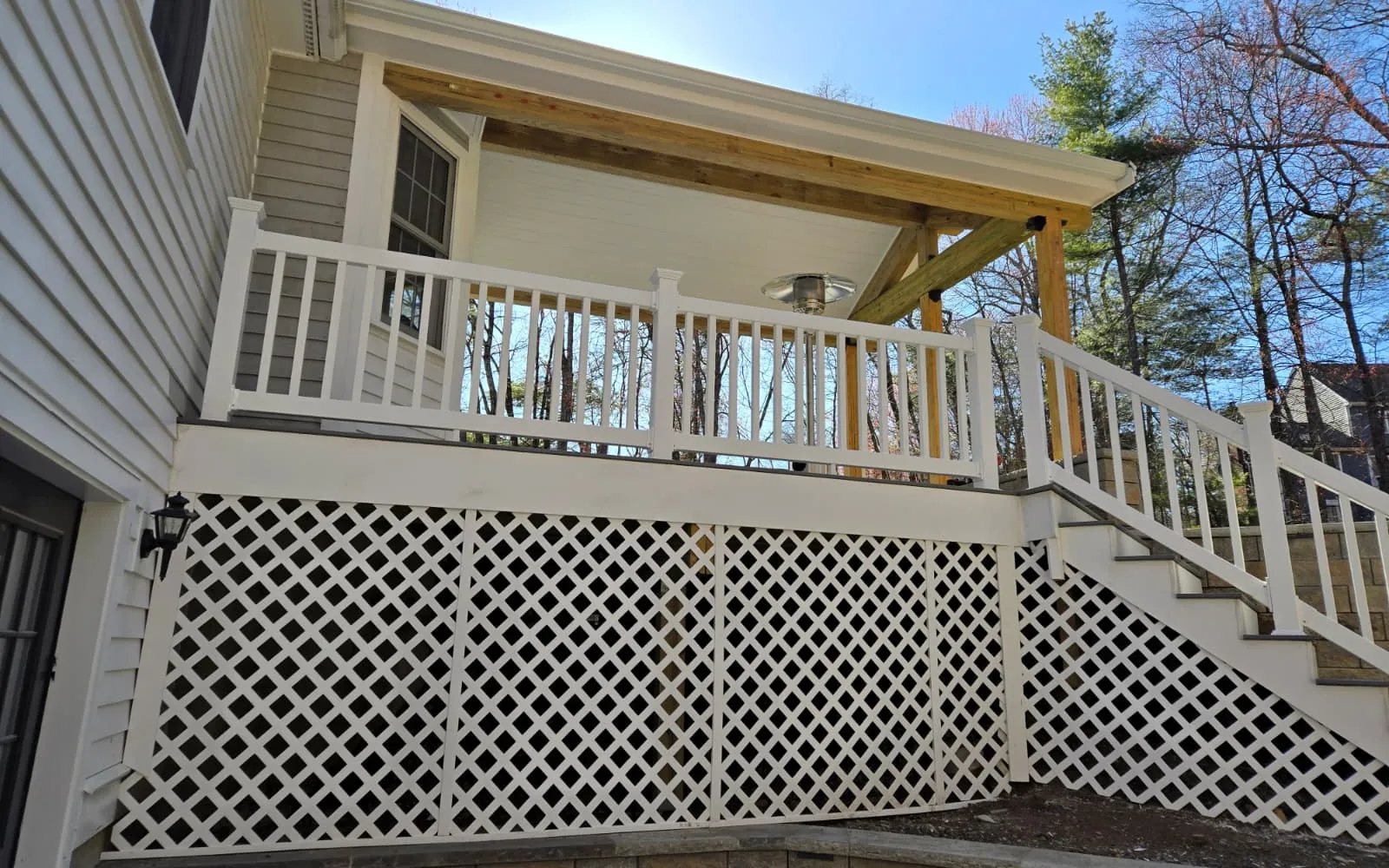
Gardner earned the name Chair City from the furniture factories that once lined its streets, and the houses built for the people who worked in those mills still define much of the city. Two-families, triple-deckers, and modest single-family homes stand close together on the hills around downtown, with newer neighborhoods spreading out toward the lakes and the edges of town.
Gardner also sits higher than most of Central Massachusetts, around a thousand feet above sea level in many neighborhoods, and the winters show it. This guide walks through what that housing stock and climate mean for a remodel: the common problems in older homes, roof and porch work under heavy snow, permits through the city, and how to prioritize upgrades.
Gardner's Housing Stock: Mill-Era Homes and Multi-Families
A large share of Gardner's homes were built in the late 1800s and early 1900s, during the height of the furniture industry. That means balloon framing in many houses, where wall studs run continuously from the foundation to the roof, plaster and lath walls, fieldstone or brick foundations, and front porches stacked on two-families and triple-deckers. Many have been updated in pieces over the decades, so one house can have three generations of wiring and plumbing.
Postwar capes and ranches fill other parts of the city, and newer homes appear closer to the edges of town. But if you own an older home near downtown or in the neighborhoods around it, expect to plan for what is behind the walls as much as what goes on them.
What Opening the Walls Usually Reveals
In homes of this age, a remodel often uncovers knob-and-tube or other outdated wiring, galvanized supply pipes, missing insulation, and framing that was notched or cut by previous plumbers. Balloon-framed walls also lack fire blocking between floors, which building code generally requires to be added when walls are opened.
Lead paint is a near certainty in homes built before 1978, and very likely in a Gardner house built a century ago. Renovation that disturbs painted surfaces should follow lead-safe practices, and Massachusetts runs its own lead-safe renovation program. For multi-family properties with tenants, lead rules carry extra weight. Asbestos can show up too, in old pipe insulation, floor tiles, or siding. A realistic budget sets money aside for these discoveries rather than hoping they will not happen.
Snow, Ice, and the Exterior
Gardner's elevation brings more snow and longer cold stretches than lower towns like Leominster or Clinton. That puts real stress on roofs, gutters, and porches. Ice dams are common on older homes with poor attic insulation and ventilation: heat escapes into the attic, melts snow on the roof, and the water refreezes at the cold eaves, backing up under shingles and into walls.
When a roof is replaced, an ice and water barrier along the eaves, proper ventilation, and attic air sealing make a big difference. Stacked porches on multi-families deserve a close look too. Snow load, years of freeze-thaw, and water at the post bases and stair stringers can leave a porch that looks fine but has rot in the structure. For a multi-family building, porch safety is a priority, since those porches are often the second means of egress.
Permits Through the City of Gardner
Building permits in Gardner go through the city's building department at City Hall, under the same Massachusetts State Building Code used statewide. Structural work, additions, porches and decks, reroofing, residing, window replacements, and most kitchen and bath remodels typically require a building permit, with separate electrical and plumbing permits pulled by licensed trades.
Multi-family buildings add steps. Work on a two- or three-family can involve fire separation between units, smoke and carbon monoxide alarm requirements, and egress rules that do not come up on a single-family. If you are converting space, adding a unit, or changing how a building is used, zoning approval may be needed before a building permit. A contractor familiar with Gardner's process can tell you early which of these apply.
Popular Projects in Gardner
Owner-occupants of two- and three-families often renovate one unit at a time: kitchens and bathrooms in the owner's unit first, then a refresh between tenants. Single-family owners commonly tackle kitchen remodels, bathroom updates, and opening up small closed rooms in older layouts. On the outside, roofing, siding, replacement windows, and porch rebuilds are among the most frequent projects, partly because of the weather the city takes.
Costs depend heavily on what the house reveals. As rough market context only, kitchen and bathroom remodels in Central Massachusetts commonly range from the low tens of thousands into much higher figures depending on scope and finishes, and older homes often need extra budget for wiring, plumbing, and framing corrections. The reliable number comes from a site visit and a written scope.
Where to Spend First on an Older Gardner Home
With a limited budget, protect the building before finishing it. A tight roof, sound porches, working gutters, and dry basement walls come first, because water damage undoes every interior upgrade. Next come safety systems: electrical service and wiring, and smoke and carbon monoxide alarms. Then insulation and air sealing, which pay back fast in a cold hill town. Kitchens, bathrooms, and finishes come after the house is dry, safe, and warm.
Timing matters too. Roofing, siding, and porch work are best scheduled between spring and late fall. Interior remodels work well through the winter, which is often when it is easiest to get on a contractor's schedule.
A Leominster Contractor Who Knows Older Central Mass Homes
Delane Construction is based in Leominster, about a 20 minute drive from Gardner, and has more than 27 years of experience in general contracting. We work on remodeling, additions, kitchens, bathrooms, porches, decks, roofing, siding, windows, and doors, residential and commercial. A Google reviewer, Margaret Matthews, wrote that no detail is too small for this crew, and that attention to detail is exactly what older homes need.
If you own a home or multi-family in Gardner and are planning a project, request a free estimate. We will walk the property, point out what the house is telling us, and give you a clear written proposal.
Frequently asked questions
- Do I need a permit to rebuild a porch in Gardner, MA?
- Generally, yes. Porch and deck rebuilds typically require a building permit from the Gardner building department, with inspections of footings and framing. On multi-family homes, porches often serve as a second means of egress, so they are reviewed carefully.
- Why do older Gardner homes get ice dams?
- Ice dams form when warm air leaks into the attic, melts snow on the roof, and the water refreezes at the cold eaves. Gardner's elevation and heavy snow make this common. Air sealing, attic insulation, ventilation, and an ice and water barrier at the eaves during a reroof are the usual fixes.
- Is lead paint a concern when remodeling in Gardner?
- Very likely. Most of Gardner's older homes were built well before 1978, when lead paint was common. Renovation that disturbs painted surfaces should follow lead-safe practices, and rental properties carry additional lead obligations under Massachusetts law.
- Can I remodel one unit of my two-family at a time?
- Yes, many owners renovate one unit at a time. Permits are tied to the scope of work in each unit, and work that touches shared walls, floors, or egress may bring in fire separation and alarm requirements for the building.
- What should I fix first on an older home in Gardner?
- Start with anything that keeps water out (roof, gutters, porches, foundation drainage), then safety systems like wiring and smoke and carbon monoxide alarms, then insulation. Kitchens, bathrooms, and finishes come after the house is dry, safe, and warm.
Serving
Found this helpful? Make us a preferred source on Google.
Ready for an exact price?
Get a free, no-pressure in-home estimate. Real numbers for your home, not a phone guess.