
Remodeling in Lunenburg, MA: Septic, Older Capes, and What to Plan For
· By Lauderly G. Lima
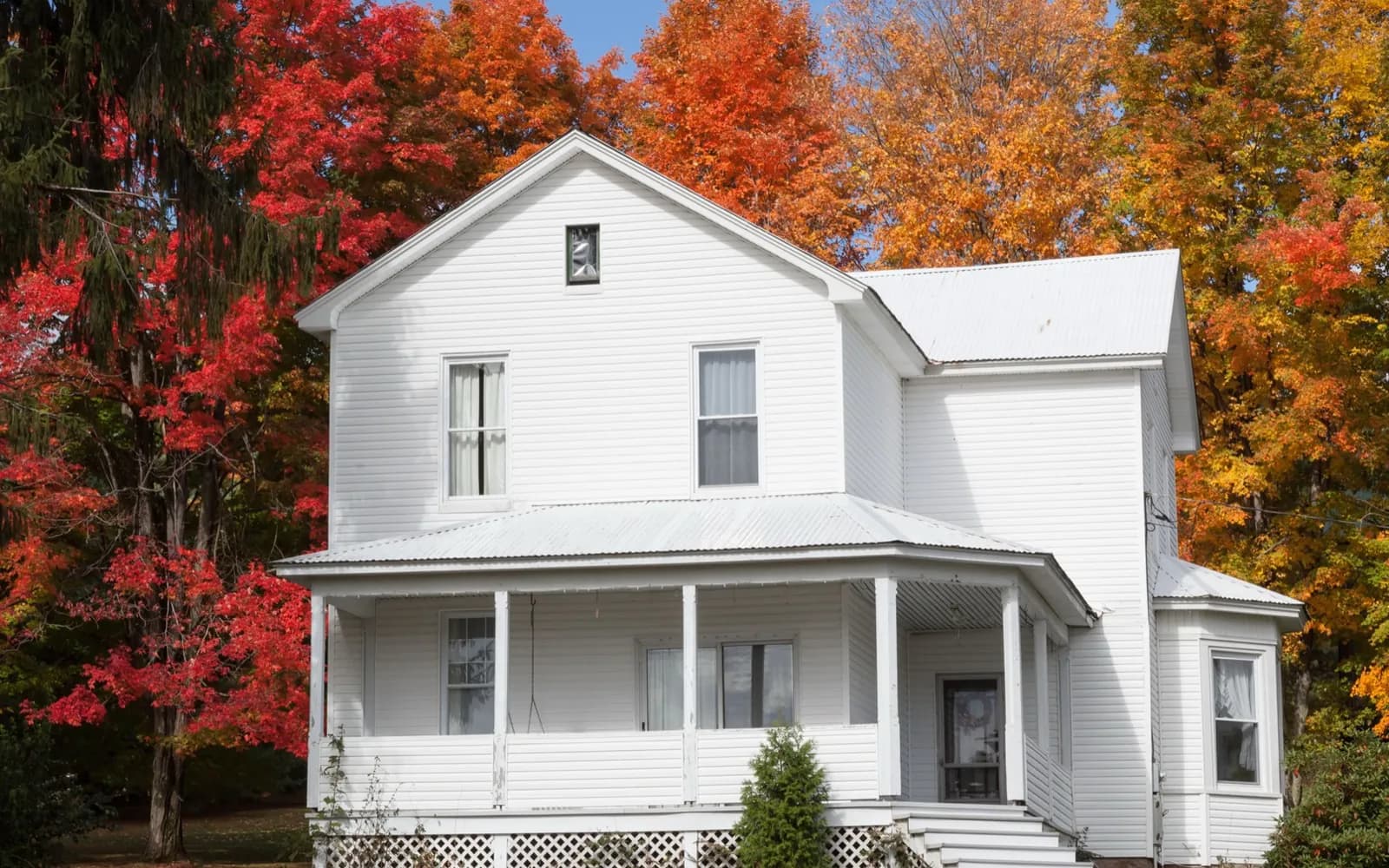
Lunenburg sits right next to Leominster and Fitchburg, but it feels different the moment you leave Route 2A. Lots are bigger, roads wind past old stone walls, and a good share of homes sit on septic systems and private wells instead of town sewer. Between Lake Whalom, Hickory Hills Lake, and the ponds and wetlands scattered across town, water is part of almost every project conversation.
This guide is for Lunenburg homeowners thinking about a kitchen, a bathroom, an addition, or exterior work. It covers the house styles you see around town, the local rules that tend to shape a project (septic capacity and wetlands top the list), typical cost drivers, and when to start planning so you are not stuck waiting for spring.
Lunenburg's Housing Stock and What It Means for a Remodel
Lunenburg has a wide range of homes. Near the town center and along the older roads you find antique colonials and farmhouses, some well over a century old, with timber framing, low basement ceilings, and additions stacked on over the decades. Postwar capes and ranches fill many of the neighborhoods built in the 1950s through the 1970s, and the newer subdivisions have larger colonials built from the 1980s on. Around Lake Whalom you also see former seasonal cottages that have been converted to year-round living.
Each type comes with its own surprises. Antique homes tend to have uneven floors, framing that is not standard size, and old wiring. Capes often have tight second floors with knee walls, limited headroom, and dormers that are prime candidates for expansion. Converted cottages around the lake can have undersized framing and foundations that were never meant to carry a full second floor. Knowing which one you have shapes the plan before anyone draws a line.
Septic and Title 5: The Rule That Shapes Additions
This is the biggest local factor for many Lunenburg projects. Homes on a private septic system are governed by the state's Title 5 rules, and septic systems are sized by the number of bedrooms. If you want to add a bedroom, or finish space that could be counted as one, the Board of Health will typically look at whether the existing system can handle it.
That can mean a septic inspection, an upgrade, or a redesign of the project. A finished bonus room over a garage, a basement office with a closet, or a dormer that turns an attic into two bedrooms can all trigger a review. It is far better to find this out at the planning stage than after framing starts. Homes on town sewer skip most of this, so the first question on any Lunenburg addition is which one you have.
Wetlands, Lakes, and the Conservation Commission
Lunenburg has a lot of water: Lake Whalom on the Leominster line, Hickory Hills Lake, Lake Shirley on the eastern side, and plenty of streams, ponds, and wetlands in between. Under the Massachusetts Wetlands Protection Act, work within the buffer zone of a wetland or water body, generally 100 feet, usually needs review by the local Conservation Commission before a building permit is issued.
In practice, a deck, addition, or new foundation on a lakefront or wooded lot near wetlands may need a filing with the Conservation Commission and erosion control during construction. It adds time, often several weeks, so it belongs early in the schedule.
Permits and Local Process
Building permits in Lunenburg go through the town building department, following the Massachusetts State Building Code like every other community. Most remodels beyond cosmetic finishes need a building permit, and electrical and plumbing work need their own permits pulled by licensed trades. Additions and exterior changes may also involve zoning setbacks, which vary by district.
For a homeowner, the practical sequence on a bigger project usually looks like this: confirm septic or sewer, check for wetlands or setbacks, finalize the design, then apply for the building permit. A contractor who works in town regularly will know which of these apply before you spend money on drawings.
Popular Projects and Typical Cost Drivers
Kitchen remodels are the most common interior project in Lunenburg, often opening up a closed-off kitchen in a cape or ranch. Bathroom updates come next, especially adding a second full bath to an older home that was built with one. Dormer and attic expansions on capes, garage additions with space above, and new decks and farmer's porches are frequent exterior projects.
Costs vary widely, so take these only as rough market context: across Central Massachusetts, a midrange kitchen remodel often runs in the tens of thousands of dollars, and additions are typically priced per square foot at a premium over basic remodeling because of foundation, framing, and roof work. On Lunenburg lots, factors that move the number include septic work, ledge (exposed or buried rock is common in parts of town and can make excavation more expensive), long driveways that complicate deliveries, and the condition of an older structure once walls are opened. A site visit and written scope is the only real number, and the estimate is free.
Timing Around the Seasons
Exterior work and anything involving excavation is best scheduled for spring through fall. Frozen ground makes foundation work harder, and septic work generally waits for workable soil. Interior projects like kitchens and bathrooms run year round and are a smart winter project, since crews are often easier to schedule then.
If you want an addition or a deck finished by summer, start planning in winter. That leaves time for any Board of Health or Conservation Commission review and the building permit, so the crew can start once the ground thaws.
Working With a Contractor Next Door in Leominster
Delane Construction is based in Leominster, a short drive from Lunenburg, and has been in general contracting for more than 27 years. We handle remodeling, additions, kitchens, bathrooms, decks, porches, roofing, siding, windows, and doors, from small repairs to full projects. Our process starts with a conversation and a visit to your property, followed by a clear written proposal, regular communication during the work, and a final walkthrough.
If you are planning a project in Lunenburg, request a free estimate. We will look at the house, ask the septic and setback questions up front, and give you a scope that fits the property.
Frequently asked questions
- Do I need Board of Health approval to add a bedroom in Lunenburg?
- If your home is on a private septic system, adding a bedroom typically requires the Board of Health to confirm the system is sized for the new bedroom count under the state Title 5 rules. Homes on town sewer usually skip that step. Check with the Lunenburg Board of Health early in planning.
- Can I build a deck near Lake Whalom or a wetland in Lunenburg?
- Often yes, but work within roughly 100 feet of a wetland or water body generally needs review by the Lunenburg Conservation Commission under the Massachusetts Wetlands Protection Act before a building permit is issued. Plan extra weeks for that review.
- What remodeling projects are most common in Lunenburg, MA?
- Kitchen remodels, bathroom updates or a second bathroom, dormer and attic expansions on capes, garage additions, and new decks or porches are among the most common projects in Lunenburg homes.
- When is the best time to plan an addition in Lunenburg?
- Start planning in late fall or winter. That leaves time for septic, wetlands, and permit reviews so construction can begin when the ground thaws in spring. Interior remodels can be scheduled year round.
- How much does a remodel cost in Lunenburg?
- It depends on scope, the condition of the house, and site factors like septic, ledge, and access. Market ranges in Central Massachusetts vary widely, so the most reliable number comes from a site visit and a written scope. Delane Construction offers free estimates.
Related services
Serving
Found this helpful? Make us a preferred source on Google.
Ready for an exact price?
Get a free, no-pressure in-home estimate. Real numbers for your home, not a phone guess.