
Remodeling in Sterling, MA: Antique Homes, Watershed Rules, and Rural Lots
· By Lauderly G. Lima
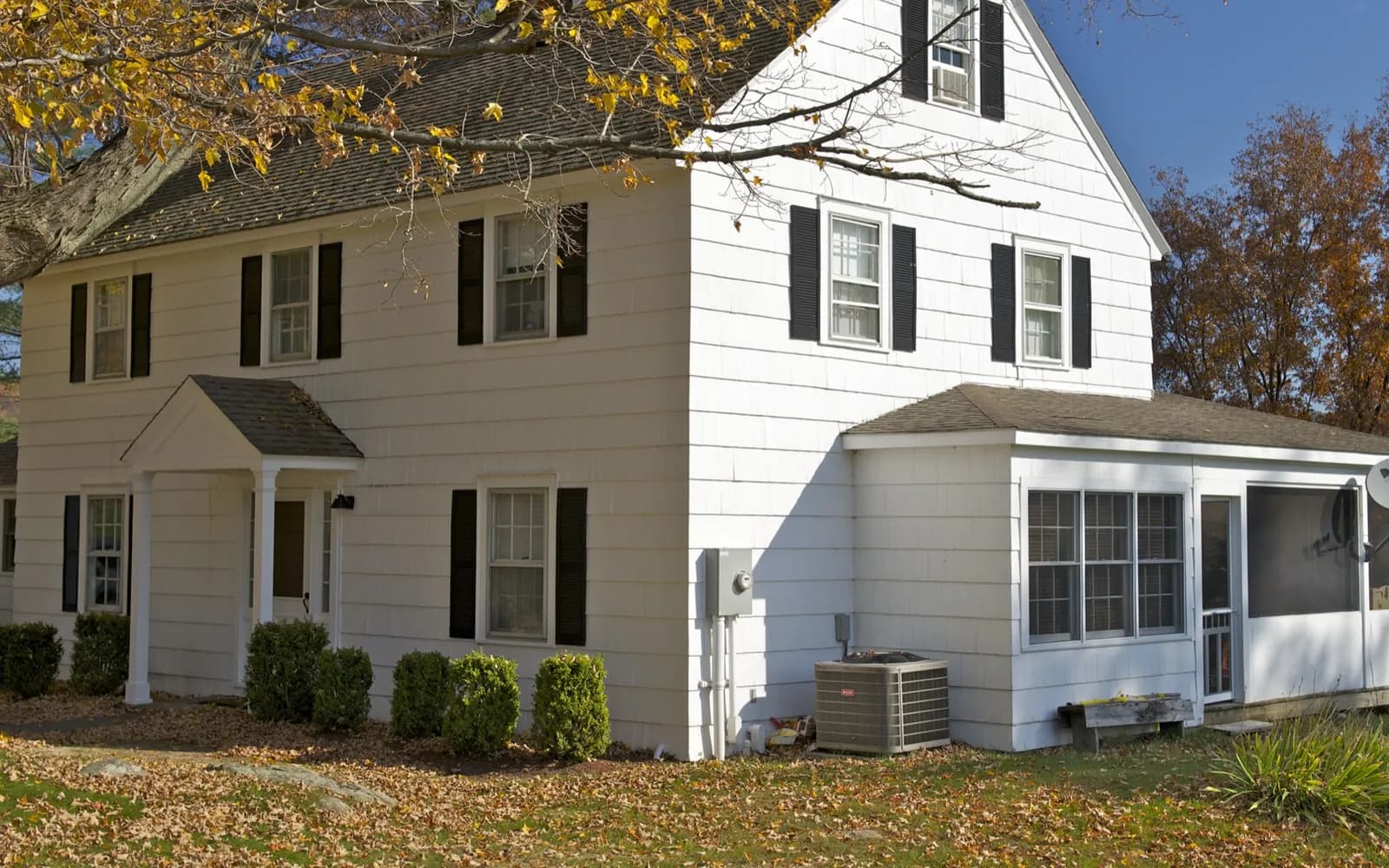
Sterling is one of the most rural towns in the Leominster area: apple orchards and farm stands along Route 62, a classic New England town common, and homes spread out on large lots with stone walls and old barns. It also borders the Wachusett Reservoir, one of the main drinking water supplies for the Boston area, and that connection affects what you can build on some properties.
This guide covers what Sterling homeowners should know before remodeling or adding on: the kinds of homes in town and their quirks, the watershed and wetlands rules, septic and well considerations, permits through the town, and how to time a project around the seasons.
Sterling Homes: Antique Colonials, Farmhouses, and Newer Builds
Sterling has a deep stock of antique homes, many from the 1700s and 1800s, clustered around the town center and along the old roads leading out to the orchards. Center-chimney colonials, connected farmhouses (the big house, little house, back house, barn arrangement), and capes with wide pine floors are part of what makes the town feel the way it does. Newer colonials and ranches fill subdivisions built over the last several decades.
Antique homes reward careful work. Timber frames, hand-hewn beams, plaster walls, and fieldstone foundations do not behave like modern construction. Floors slope, walls are rarely plumb, and every opening is a slightly different size. Remodeling one well means matching trim and window proportions so the house still looks like itself, and knowing when to repair original materials instead of replacing them.
The Wachusett Reservoir Watershed
This is the rule that sets Sterling apart. The town is one of the communities around the Wachusett Reservoir covered by the state Watershed Protection Act, administered by the Department of Conservation and Recreation (DCR). On regulated land, the act generally prohibits alteration within 400 feet of the reservoir and within 200 feet of its tributaries and other surface waters, and it restricts certain activities in a secondary zone that extends farther out and includes flood plains and some wetlands.
In practice, most Sterling homes are not directly affected, but if your property is near the reservoir, the Stillwater River, or a stream that feeds the system, an addition, new outbuilding, or expanded driveway may need a determination from DCR before the town issues a permit. Ask about it at the start, since it can change what is buildable on the lot.
Wetlands, Septic, and Wells
Beyond the watershed rules, the Massachusetts Wetlands Protection Act applies here like everywhere else. Work within the buffer zone of a wetland, generally 100 feet, usually needs review by the Sterling Conservation Commission. With brooks, ponds, and wet meadows throughout town, plenty of rural lots have a wetland somewhere nearby.
Many Sterling homes are on private septic systems and wells. Septic systems in Massachusetts are sized by bedroom count under the state Title 5 rules, so adding a bedroom or finishing space that could count as one typically requires the Board of Health to review the system. Additions and new foundations also have to respect setbacks from the well and the leach field. Knowing where both are, and their condition, is one of the first steps in planning any addition.
Permits and the Local Process
Building permits are issued by the Sterling building department under the Massachusetts State Building Code. Additions, structural changes, decks and porches, reroofing, residing, window replacements, and most kitchen and bath remodels generally need a building permit, with electrical and plumbing permits pulled by licensed trades.
One local detail: Sterling has its own municipal light department, so electrical service upgrades or new service for an addition are coordinated with the town utility rather than a large investor-owned company. For homes in or near the town center, it is also worth asking whether any local historic review applies before changing the exterior. A contractor who works in the area can sort out which approvals your project needs before design work goes too far.
Popular Projects in Sterling
Kitchen remodels in antique homes are a common project, often opening up a series of small rooms while keeping beams and wide boards visible. Bathroom additions are frequent, since many older homes were built with one bath or none. Mudrooms and connector additions between the house and barn or garage make a lot of sense on rural lots. Outside, farmer's porches, decks, new siding, and replacement windows with proper historic proportions are popular.
As rough market context only, costs for remodels and additions in Central Massachusetts vary widely with scope, and antique homes often need extra budget for framing corrections, sill repair, and custom trim. Rural site factors like long driveways, ledge, and septic work also add cost. The best number is a written scope after a site visit, and the estimate is free.
Timing a Project in Sterling
Foundation, excavation, and septic work belong in the spring through fall window, once the ground has thawed. Interior work like kitchens and bathrooms can happen any time of year. If you want an addition finished by fall, start planning in winter so there is time for any DCR, Conservation Commission, or Board of Health review before the building permit. Fall is also orchard season on Route 62, so plan deliveries around weekend traffic if you live near the farms.
Old barns and outbuildings are their own category. Converting part of a barn into a workshop, studio, or living space usually means new footings, sill and post repair, insulation, and a change of use that the building department will review closely. It can be a great project, but scope it as new construction inside an old shell, not a quick cleanup.
Working With a Contractor From Leominster
Delane Construction is based in Leominster, just up the road from Sterling, and has more than 27 years of general contracting experience. We handle remodeling, additions, new construction and framing, kitchens, bathrooms, decks, porches, roofing, siding, windows, doors, and finish carpentry. On antique homes, that finish carpentry matters: trim and details that match the original are what make new work look like it belongs.
If you are planning a project in Sterling, request a free estimate. We will visit the property, ask the watershed, wetland, and septic questions early, and give you a clear written proposal.
Frequently asked questions
- Does the Watershed Protection Act affect my Sterling property?
- It might if your land is near the Wachusett Reservoir or one of its tributaries. The act generally prohibits alteration within 400 feet of the reservoir and 200 feet of tributaries and surface waters, with additional limits farther out. DCR's Division of Water Supply Protection can confirm whether your parcel is regulated.
- Do I need a permit to add a bathroom in Sterling, MA?
- Yes. Adding a bathroom typically needs a building permit plus plumbing and electrical permits pulled by licensed trades. If the home is on septic, the Board of Health may also need to review the added fixtures or any change in bedroom count.
- Can I add a bedroom to a home on septic in Sterling?
- Usually only if the septic system is sized for the new bedroom count under the state Title 5 rules, or is upgraded. The Sterling Board of Health reviews this, so check before designing an addition.
- How do you remodel an antique home without losing its character?
- Keep original elements like beams, wide pine floors, and trim where they are sound, match new trim and window proportions to the original, and correct framing problems carefully rather than flattening everything. Experienced finish carpentry makes new work blend in.
- When should I start planning an addition in Sterling?
- Start in late fall or winter. Watershed, wetlands, and septic reviews can take weeks, and having approvals in hand by spring lets excavation and foundation work begin as soon as the ground thaws.
Serving
Found this helpful? Make us a preferred source on Google.
Ready for an exact price?
Get a free, no-pressure in-home estimate. Real numbers for your home, not a phone guess.