
Remodeling in Westminster, MA: A Local Guide to Rural Homes, Septic, Snow, and Permits
· By Lauderly G. Lima
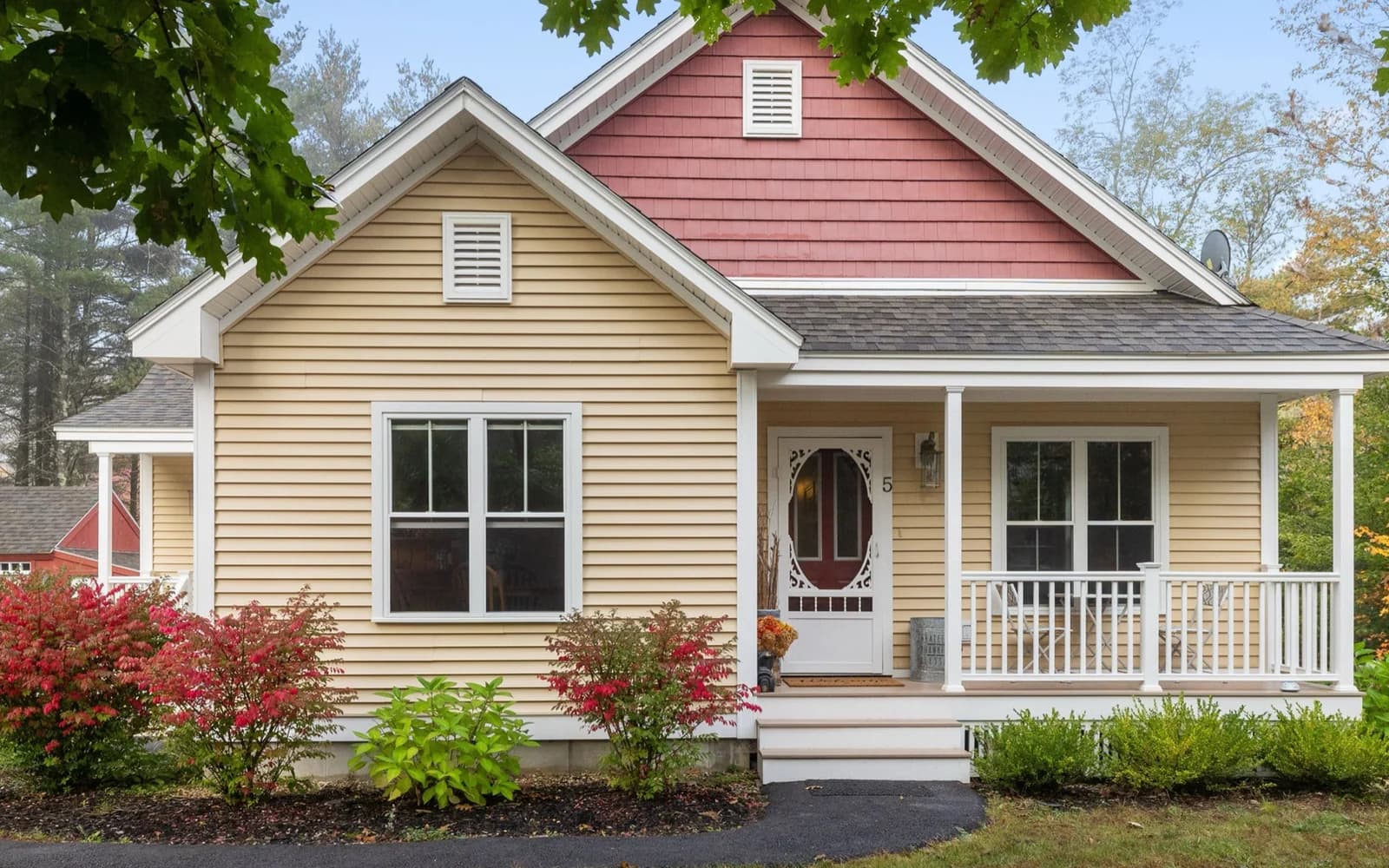
Westminster has a different feel from the city centers nearby. It is a rural, wooded town along Route 2 near the Wachusett Mountain area, with a historic town center, ponds, farm roads, and homes spread across larger lots. Many properties rely on private wells and septic systems, and the town's higher elevation means winters here often bring more snow than the river valleys a few miles away.
All of that shapes how remodeling works in Westminster. A kitchen or bathroom project is fairly similar to anywhere else, but additions, new bedrooms, decks, and exterior work come with local considerations. This guide walks through what Westminster homeowners should plan for.
Westminster's Housing: Farmhouses, Capes, and Newer Colonials
Westminster's homes span a long timeline. Around the town center and along older roads you find antique farmhouses and New England colonials, some with attached barns or ells added over generations. Mid-century capes and ranches fill in many neighborhoods, and newer colonials and contemporaries sit on larger wooded lots built in more recent decades.
Antique homes bring post and beam framing, uneven floors, stone foundations, and rooms that have been reworked many times. Mid-century capes are popular candidates for dormers and second-floor expansions because the upstairs space is often tight. Newer homes tend to be easier to remodel but frequently need decks, finished basements, or kitchen updates as families grow.
Attached barns and long ells on older properties are often the most interesting remodeling opportunities in town. With sound framing and a good roof, they can sometimes become a family room, a workshop, or a home office, although converting them usually involves structural, insulation, and code upgrades that should be evaluated on site.
Septic Systems and Title 5: The Big Local Factor
Much of Westminster is not on town sewer, so many homes have their own septic system. Under the Massachusetts Title 5 rules, septic systems are sized by the number of bedrooms. That means any project that adds a bedroom, or a room that could be considered one, usually needs Board of Health review before the building permit is approved.
Westminster's Board of Health has adopted its own local septic regulations on top of the state Title 5 rules, and the town notes that a Title 5 inspection may be required before certain building permits are approved. In practice, if you are planning an addition, a finished basement with a bedroom, or a dormer that adds sleeping space, check septic capacity early. Learning late in the design process that the system needs an upgrade can change the budget significantly.
Private Wells, Lot Layout, and Setbacks
Homes with private wells have required separation distances between the well, the septic system, and certain structures. An addition or a garage that seems to fit nicely on a big lot may run into those distances, or into zoning setbacks, wetlands near ponds and streams, or the location of the leach field.
A good first step is to find your septic plan (often on file with the Board of Health) and a plot plan of the property. A contractor can use those at the first site visit to see where an addition or a new deck can realistically go before you spend money on detailed design.
Snow, Ice, and Building for Westminster Winters
Westminster's elevation and location near Wachusett Mountain mean heavy snow and long winters are part of life. That matters for remodeling in several ways. Roofs on additions and porches must be designed for the snow load required by the Massachusetts building code for the area. Low-slope roofs over porches and additions deserve careful detailing to prevent ice dams and leaks.
Decks and porches should be built with frost-depth footings so they do not heave, and with materials and fasteners that hold up to years of freeze and thaw and snow shoveling. Older homes with limited attic insulation tend to have ice dam problems, which makes insulation and ventilation upgrades a smart part of any roofing project here.
Permits and Contractor Requirements
Most remodels in Westminster beyond cosmetic work need a building permit from the town's building department, along with electrical, plumbing, or gas permits from the licensed trades. Septic and well related approvals come through the Board of Health, and projects near wetlands may involve the Conservation Commission.
Statewide, contractors doing home improvement work on existing one to four unit homes are required to be registered under the Massachusetts Home Improvement Contractor program, and structural work generally falls under someone holding a Construction Supervisor License. Ask about both, and get a written contract that spells out the scope, payment schedule, and timeline.
Timing a Project in Westminster
Because winters arrive early and spring thaw can come late at higher elevations, the exterior building season in Westminster can feel a bit shorter than in towns lower in the valley. Excavation and foundations for additions usually wait until the ground firms up after mud season, and fall exterior work should be wrapped up before the first heavy snow.
Use winter for planning: design, septic review, and permit applications. That way an addition or deck can start as soon as the ground allows. Interior work like kitchens, bathrooms, and finish carpentry can be scheduled any time of year. Typical costs follow Central Massachusetts market ranges, but septic upgrades, long driveways, and site work can add to the budget on rural lots, so an on-site estimate is important.
Working With a Nearby Contractor
Westminster is a short drive from Leominster along Route 2, which makes it easy for a local Central Mass crew to handle site visits, inspections, and follow-ups without long travel days. On rural projects with well, septic, and site questions, being close by makes coordination much simpler.
Delane Construction brings more than 27 years of general contracting experience to remodeling, additions, decks, porches, roofing, siding, windows, and finish carpentry. A Google reviewer, Margaret Matthews, wrote that the crew pays attention to every detail and that no detail is too small. If you are planning a project in Westminster, start with a free estimate and a site visit so the plan fits your lot, your septic system, and your timeline.
Frequently asked questions
- Do I need a septic inspection to build an addition in Westminster, MA?
- Often, yes, especially if the addition adds a bedroom. Massachusetts Title 5 sizes septic systems by bedroom count, and Westminster's Board of Health may require a Title 5 inspection or system review before the building permit is approved. Check with the Board of Health early in planning.
- Can I finish my basement in Westminster if I have a septic system?
- Usually, yes. A finished basement without a bedroom is often straightforward from a septic standpoint, but adding a bedroom or a room that could serve as one can trigger Board of Health review. A building permit is generally required either way.
- How deep do deck footings need to be in Central Massachusetts?
- Deck footings in Massachusetts must extend below the local frost line so they do not heave in winter. The required depth is set by the building code and the local building department, and is commonly around four feet in much of Central Mass. Confirm with the town before building.
- When is the best time to start an addition in Westminster?
- Plan and permit in winter, then start excavation once the ground firms up after mud season, typically sometime in mid to late spring. Aim to have the addition closed in and weathertight before the first heavy snow in late fall.
- Are there extra costs for remodeling on a rural lot?
- Sometimes. Septic upgrades, well separation requirements, longer utility runs, site clearing, and wetland rules can add cost on rural lots. An on-site estimate is the best way to see which of these apply to your property.
Found this helpful? Make us a preferred source on Google.
Ready for an exact price?
Get a free, no-pressure in-home estimate. Real numbers for your home, not a phone guess.