
8 Signs You Need New Siding or a New Roof in Massachusetts (and When a Repair Is Enough)
· By Lauderly G. Lima
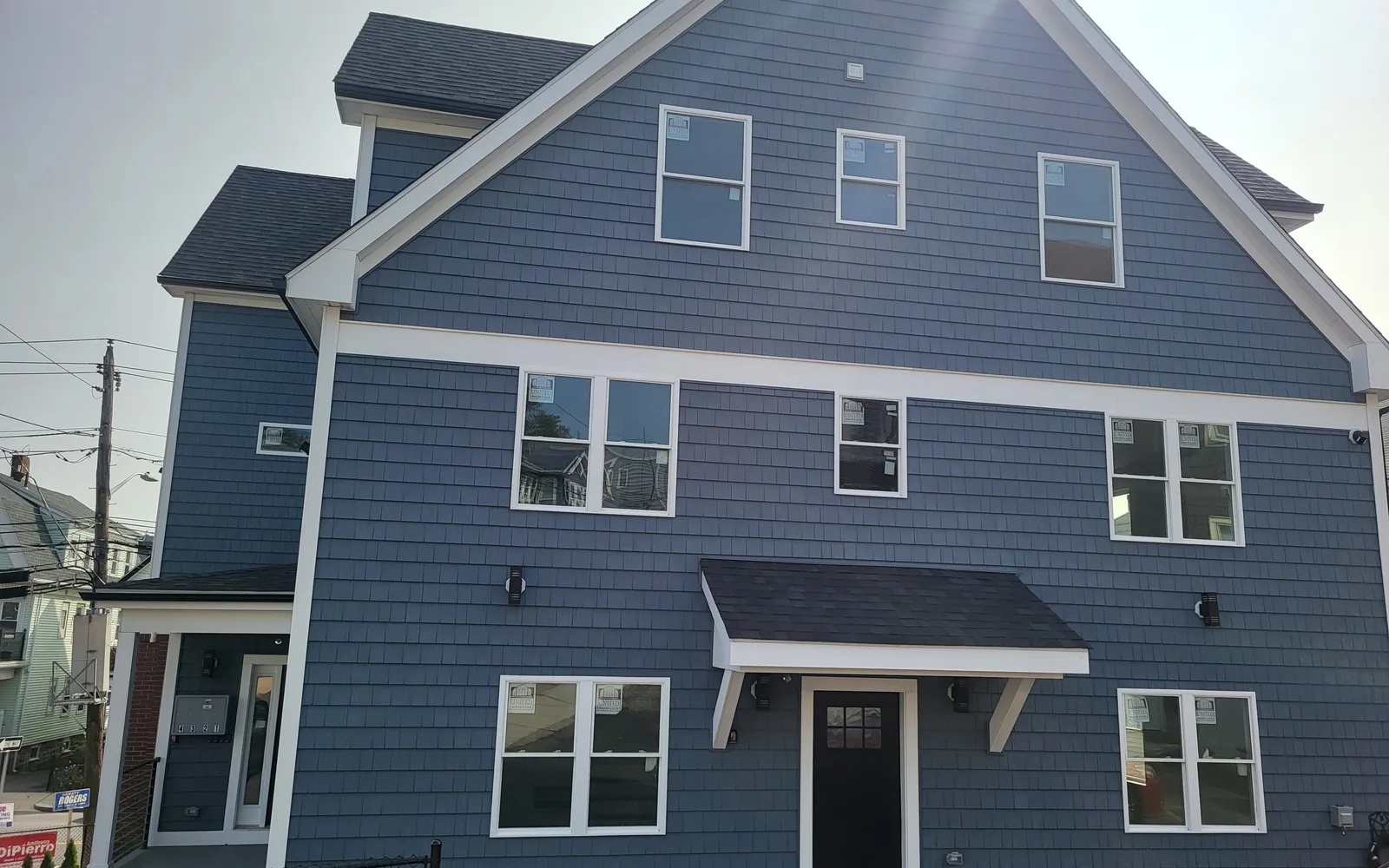
Your roof and siding are the two layers that keep New England weather out of your house. In Massachusetts they take a beating every year: freeze and thaw cycles from November to April, heavy wet snow, ice dams along the eaves, summer heat on south-facing slopes, and nor'easters that drive rain sideways into every gap. Most of the time they fail slowly, which is exactly why problems get missed until there is a stain on a bedroom ceiling.
This guide covers the eight signs that tell you a roof or siding is reaching the end of its life, what each one usually means, and how to think about repair versus replacement. Every house is different, so treat this as a starting checklist, then have someone look at it in person before you spend real money.
Roof Sign 1 and 2: Age and Shingle Condition
Age is the first thing to know. Standard three-tab asphalt shingles often last somewhere around 15 to 20 years in New England, while architectural (dimensional) shingles typically run longer, often 25 to 30 years when the attic is properly ventilated. If you bought the house and do not know when the roof went on, the previous owner's disclosure, old permits at the local building department, or a contractor's inspection can usually narrow it down.
The shingles themselves tell the rest of the story. Look from the ground with binoculars for curling or cupped edges, cracked tabs, missing shingles after a windstorm, and bare spots where the granules have worn off. Granules collecting in your gutters or at the bottom of downspouts are a classic sign of an aging roof. One or two missing shingles after a storm is a repair. Widespread curling and granule loss across a whole slope usually means the roof is near the end.
Roof Sign 3 and 4: Ice Dams, Leaks, and Attic Clues
Ice dams are the Massachusetts roof problem. Heat escapes into the attic, melts snow on the upper roof, and the water refreezes at the cold eaves. It backs up under the shingles and into the house. Recurring ice dams do not always mean the roof is bad, but they do mean water is getting where it should not, and they often point to weak insulation, poor ventilation, or missing ice and water shield along the eaves. Under the current Massachusetts building code, a new roof generally includes an ice barrier at the eaves, which is one reason replacement can solve a long-running ice dam problem.
Go into the attic on a bright day. Daylight showing through the roof boards, dark water stains on the rafters or sheathing, damp insulation, or a musty smell are all red flags. A single stain around a chimney or plumbing vent is often a flashing repair. Stains in several places, or soft, spongy sheathing when you press on it, suggest the damage has spread beyond a patch.
Roof Sign 5: Sagging Rooflines and Soft Spots
Stand across the street and look at the ridge line. It should be straight. A dip in the ridge, a sag between rafters, or a wavy look across the roof surface can mean the sheathing has rotted from long-term moisture, or that the framing has deflected under decades of snow load. This is common on older capes and colonials around Central Massachusetts where the original roof framing was lighter than what is built today.
A sagging roof is not a shingle problem, and it is not something to put off. It usually means sheathing replacement at a minimum, and sometimes structural repairs to rafters or the ridge. That work needs a building permit, and structural work in Massachusetts is generally overseen by someone holding a Construction Supervisor License.
Siding Sign 6 and 7: Rot, Warping, Cracks, and Loose Boards
Wood clapboard and shingle siding, which you still see on many Central Mass homes, fails at the joints, the bottom courses, and anywhere water splashes back from a roof or deck. Push a screwdriver into suspicious spots. If it sinks into soft wood, there is rot. A few rotted boards near a downspout is a normal repair. Rot spread across a whole wall, or paint that will not stay on for more than a couple of years, usually means the boards are saturated and replacement is the better spend.
Vinyl siding fails differently. Watch for cracked or broken panels (often from cold-weather impacts like snowblower debris), panels that buckle or wave in summer heat, pieces that blow off in a storm, and fading so uneven that replacement panels will never match. Loose or warped siding is more than cosmetic: it lets wind-driven rain behind the wall, where it soaks the sheathing and framing.
Siding Sign 8: Problems Showing Up Inside the House
Some of the best siding clues are inside. Peeling or blistering paint on interior walls, wallpaper coming loose on exterior walls, water stains below windows, and mold or a musty smell in a closet on an outside wall can all mean water is getting past the siding. Rising heating bills and drafty rooms can point the same way, especially in older homes where the original siding went on over little or no insulation.
Bugs and critters are another sign. Carpenter ants, bees, and mice find gaps in failing siding and trim. If you keep finding them in the same wall, the siding and trim in that area deserve a close look.
Repair or Replace: How to Decide
A repair usually makes sense when the damage is limited to one area, the material is otherwise in good shape, and the roof or siding still has plenty of life left. Replacing a section of storm-damaged shingles, re-flashing a chimney, or swapping a dozen rotted clapboards are all reasonable repairs.
Replacement usually makes more sense when problems show up in several places at once, the roof is near the end of its expected life, you keep paying for repairs every year, or the underlying sheathing is damaged. Massachusetts also limits how many layers of roofing you can have, so if there are already two layers of shingles, the next job is a full tear-off.
As a rough guide, many Massachusetts asphalt roof replacements on a typical single-family home land somewhere in the low to mid five figures, and full siding replacement varies widely with material, wall area, and how much trim and sheathing repair turns up once the old siding comes off. Those are market ranges, not a quote. The real number depends on your house, which is why an on-site look and a written estimate matter.
Timing, Permits, and Doing It Right in Central Mass
Roofing and siding work in Massachusetts generally requires a building permit from your town's building department, and contractors doing this kind of work on existing homes are required to be registered under the state Home Improvement Contractor program. Ask about both before you sign anything.
Timing matters too. Late spring through early fall is the most comfortable window for exterior work, and fall fills up quickly as homeowners try to beat the snow. If you are seeing any of the signs above around Leominster or anywhere in Central Massachusetts, the best first step is a free estimate so you know whether you are looking at a repair this season or a replacement plan.
Frequently asked questions
- How long does a roof last in Massachusetts?
- Most asphalt shingle roofs in Massachusetts last roughly 15 to 30 years depending on shingle type, attic ventilation, sun exposure, and how well the roof was installed. Three-tab shingles tend to sit at the lower end and architectural shingles at the higher end. Ice dams and poor ventilation can shorten that life considerably.
- Do ice dams mean I need a new roof?
- Not always. Ice dams are usually caused by heat escaping into the attic, so better insulation and ventilation can fix the root cause. But if ice dams have caused repeated leaks, rotted sheathing, or the roof lacks an ice barrier at the eaves, replacement with modern underlayment is often the long-term fix.
- Can new siding go over old siding?
- Sometimes, but it is often not the best choice. Covering old siding hides rot, trapped moisture, and damaged sheathing that keep getting worse underneath. Removing the old material lets the crew inspect and repair the wall, add a proper weather barrier, and flash windows and doors correctly.
- Do I need a permit to replace my roof or siding in Massachusetts?
- In most Massachusetts towns, yes. Roofing and siding replacement typically require a building permit from the local building department. The contractor usually pulls the permit and schedules any required inspections as part of the job.
- What is the best time of year to replace a roof in New England?
- Late spring through early fall is generally best because shingles seal properly in moderate temperatures and the weather is more predictable. Roofing can be done in cooler months with the right products and methods, but snow, ice, and short days make scheduling harder.
Found this helpful? Make us a preferred source on Google.
Ready for an exact price?
Get a free, no-pressure in-home estimate. Real numbers for your home, not a phone guess.