
The Best Time of Year to Remodel in Central Massachusetts: A Season by Season Guide
· By Lauderly G. Lima
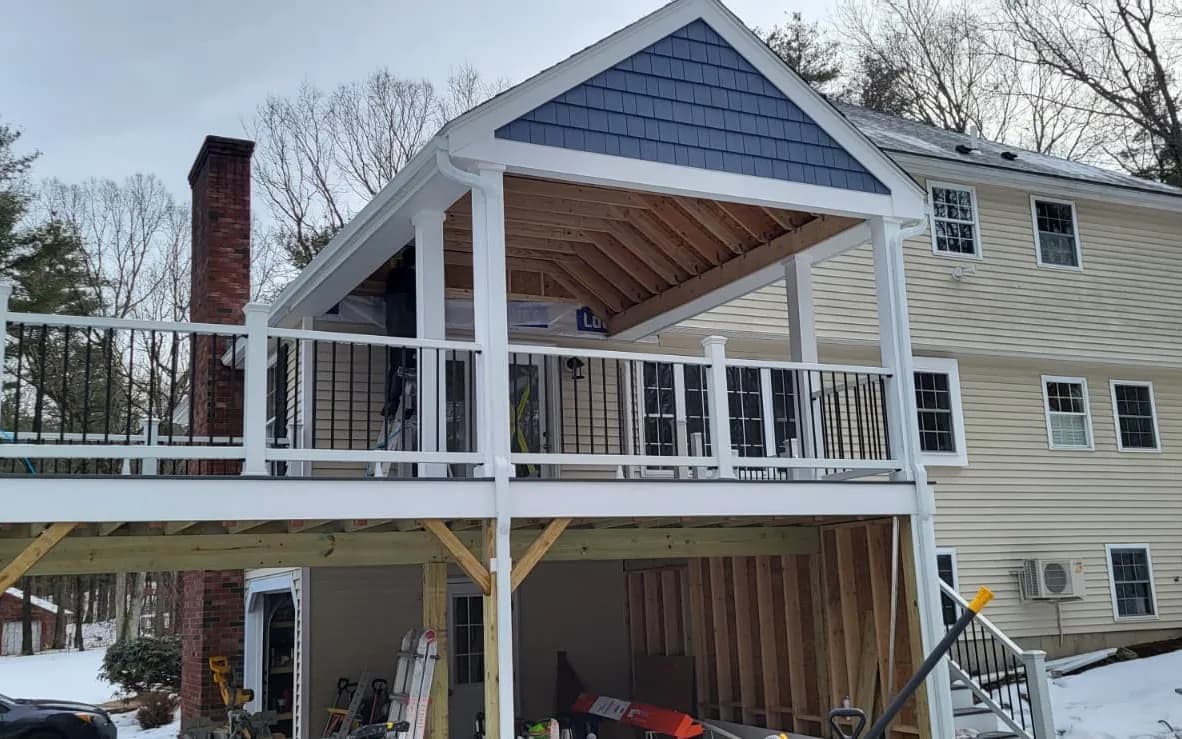
In Central Massachusetts the calendar decides a lot about a remodel. Frozen ground, snow on the roof, mud season, and a short, busy summer all affect what can be built when, how long it takes, and how hard it is to get on a contractor's schedule. Picking the right season can save you weeks and a fair amount of stress.
The general rule is simple: exterior and structural work belongs in the warmer months, and interior work can happen any time of year. The details are where planning pays off, so here is how each season really works around Leominster, Worcester County, and the surrounding towns.
Winter (December to March): The Best Season for Interior Projects
Winter is a strong season for kitchens, bathrooms, basement finishing, interior carpentry, and other work that happens entirely inside the house. Crews are not fighting rain delays, and many homeowners find it easier to get on the schedule because demand for exterior work drops off once the snow comes.
There are a few things to plan around. Dust control matters more when windows are closed and the heat is running, so ask how the crew will seal off the work area. Deliveries can slip a day or two after a storm. And any part of an interior job that touches the outside, such as a new window opening, a vent through the wall, or a bump-out, needs to be timed for a dry stretch and closed up the same day.
Winter is also the ideal time to plan the spring and summer exterior projects. Design, estimates, and permit applications can all move forward while the ground is frozen.
Spring (April to June): Mud Season, Then the Starting Gun
Early spring in New England is mud season. The ground thaws from the top down, it stays soft and wet, and heavy equipment can tear up a yard. Excavation and foundation work for additions often waits until the ground firms up, which in a typical year is somewhere from mid April into May depending on the site and the weather.
Once things dry out, spring is when additions, decks, porches, and siding projects get going. It is also when everyone else calls a contractor at the same time. If you want an exterior project done by summer, the best move is to have your estimate, design, and permit application finished before the weather turns. People who start calling in May often find the calendar already booked well into summer.
Summer (July to August): Peak Season for Exterior Work
Summer is the most reliable window for roofing, siding, decks, porches, window replacement, and the framing and close-in stage of an addition. Days are long, the ground is firm, and materials like shingle sealant and exterior paint cure properly.
The trade-offs are heat, afternoon thunderstorms, and the fact that this is the busiest stretch of the year. Expect lead times on some materials and on subcontractors. If a project depends on the house being open to the weather, such as a roof tear-off or a new second-story addition, a good contractor will watch the forecast closely and plan to have everything weathertight by the end of each day.
Fall (September to November): The Sweet Spot, If You Book Early
Many contractors consider early fall the best time of year in New England for exterior work. Temperatures are moderate, humidity drops, and the weather is often steadier than in summer. It is a good season for roofs, siding, windows, and doors, especially if you want them done before winter.
The catch is the deadline. Once November arrives, cold nights and the first snow make roofing, concrete, and exterior painting harder. Everyone wants their exterior work finished before Thanksgiving, so fall fills fast. If you are reading this in late summer, call now. Fall is also a smart time to start a kitchen or bathroom that will carry into winter, since the interior work is not weather dependent.
Typical Timelines by Project Type
As a rough guide (every project is different), a full bathroom remodel often takes a few weeks of active work once it starts. Kitchens often run longer, commonly several weeks to a couple of months, especially if cabinets are custom or the layout changes. Additions are usually a multi-month project from groundbreaking to final inspection. Decks and porches can often be built in days to a few weeks, depending on size and complexity. A typical asphalt roof replacement on a single-family home is often a matter of days once materials are on site.
Those numbers do not include the time before the work starts: design, choosing materials, ordering items with long lead times (cabinets, windows, special-order tile), and getting the building permit. For bigger projects, that front end can take as long as the construction itself.
Permits and Scheduling in Central Mass
Most remodels beyond basic cosmetic work need a building permit from your town's building department, and some also need separate electrical, plumbing, or gas permits. Review times vary from town to town and get longer in spring when applications pile up. Projects that add bedrooms in homes with a septic system may also need Board of Health review under Title 5, and homes in a historic district can need design approval.
In Massachusetts, contractors working on existing one to four unit homes are required to be registered under the state Home Improvement Contractor program, and there are consumer protections that come with hiring a registered contractor. Ask to see the registration and make sure the contract spells out the scope, payment schedule, and start and finish dates.
Interior vs Exterior: How to Sequence a Bigger Plan
If you have several projects on the list, a simple order works well in New England: fix the envelope first (roof, siding, windows), then do the interior. Water damage from an old roof can ruin a brand new kitchen ceiling, and new windows change trim and wall details inside.
A practical plan for many homeowners looks like this: get estimates and design done in winter, do the exterior work from late spring through fall, and schedule kitchens, baths, and interior carpentry for late fall and winter. Whatever is on your list, a free estimate is the easiest way to see what fits your timeline and what needs to be booked first.
Frequently asked questions
- Is winter a bad time to remodel in Massachusetts?
- No. Winter is a good time for interior remodeling such as kitchens, bathrooms, and finish carpentry, and scheduling can be easier because exterior demand drops. Exterior work and foundation digging are harder in winter because of frozen ground, snow, and short days.
- When should I call a contractor for a summer project?
- For summer exterior work in Central Massachusetts, it is best to start in winter or early spring. That gives time for an estimate, design decisions, material orders, and the building permit before the busiest part of the season.
- Can you replace a roof in the fall in New England?
- Yes, early and mid fall are often excellent for roofing because temperatures are moderate and the weather is steadier. The main risk is waiting too long. Once cold weather and snow arrive in late November, roofing becomes harder to schedule and complete.
- How long does it take to get a building permit in Central Massachusetts?
- It varies by town, project size, and time of year. Simple permits may move quickly, while additions or projects needing Board of Health or zoning review can take longer. Spring is usually the slowest stretch because so many applications come in at once.
- What remodeling projects can be done any time of year?
- Kitchens, bathrooms, basement finishing, interior trim and carpentry, and most painting inside the house can be done in any season. Anything that opens the house to the weather or requires digging is best scheduled for spring through fall.
Found this helpful? Make us a preferred source on Google.
Ready for an exact price?
Get a free, no-pressure in-home estimate. Real numbers for your home, not a phone guess.