
How Much Does a Kitchen Remodel Cost in Massachusetts? (2026 Guide)
· By Lauderly G. Lima
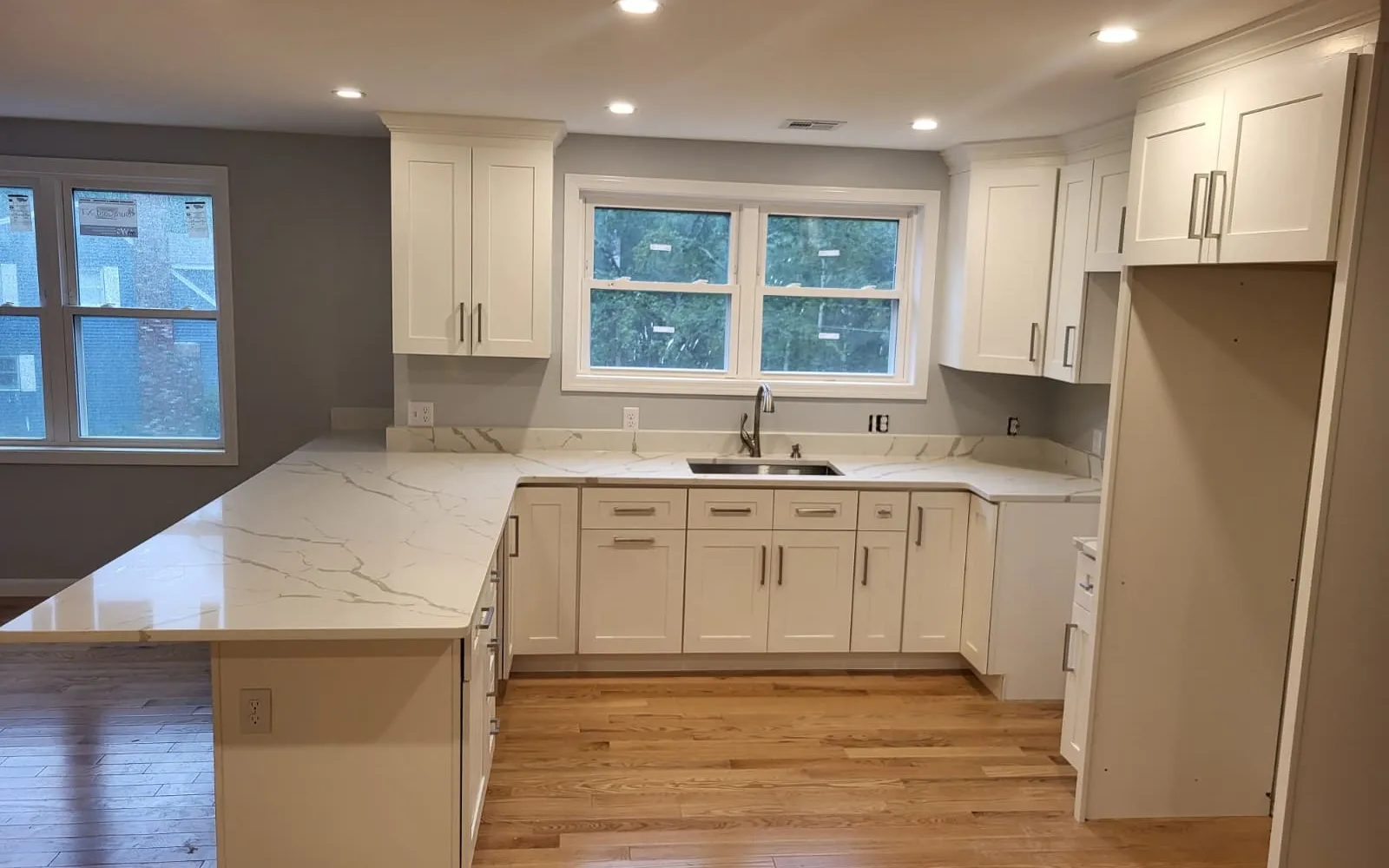
The kitchen is usually the most expensive room in the house to remodel, and it is also the one people ask about first. The honest answer to "how much will it cost" is a range, because a kitchen refresh and a full gut renovation are two very different projects that happen to share a name.
This guide breaks down typical 2026 market ranges for kitchen remodels in Massachusetts, explains what pushes a project up or down that range, and covers the local factors that matter in Central Mass, like older housing, permits, and the building season. Treat every number here as a starting point. The only way to get a real figure for your kitchen is to have a contractor look at it in person.
Typical Kitchen Remodel Cost Ranges in Massachusetts
Massachusetts labor and material costs run higher than the national average, so national cost guides tend to undershoot. As a rough guide for 2026, most kitchen projects in the state fall into three bands.
A cosmetic refresh (painting or refacing cabinets, new countertops, a new sink and faucet, updated lighting, and a backsplash, while keeping the layout) typically lands somewhere in the $15,000 to $35,000 range for an average size kitchen. A mid-range remodel with new semi-custom cabinets, stone counters, new flooring, new appliances, and some electrical and plumbing updates in the same layout often runs from about $35,000 to $75,000. A full gut renovation that moves walls, plumbing, or gas lines, adds an island, and uses custom cabinetry and higher-end finishes commonly starts around $75,000 and can go well past $100,000.
Central Massachusetts towns like Leominster and Fitchburg usually come in somewhat below the Boston suburbs for the same scope, but the gap is smaller than many homeowners expect, because materials cost about the same everywhere and good trades are in demand across the state.
What Actually Drives the Price
Cabinets are usually the single biggest line item. Stock cabinets, semi-custom, and full custom can differ by tens of thousands of dollars in the same kitchen. Countertops come next: laminate, butcher block, granite, and quartz all sit at different price points, and the amount of fabrication (sink cutouts, waterfall edges, seams) adds to it.
Layout changes are the quiet budget driver. Keeping the sink, range, and refrigerator where they are saves a lot. Moving the sink across the room means new drain lines and venting. Moving a range can mean a new gas line or a dedicated electrical circuit. Taking out a wall to open the kitchen to the dining room may require a beam, and if that wall is load bearing, an engineered header and structural permit work.
Appliances, flooring, lighting, and the electrical upgrades needed to support them round out the budget. Modern kitchens draw a lot of power, and older panels often need upgrading to handle new appliances safely and to meet current code.
Older Homes: The Costs You Find Behind the Walls
Much of the housing in Central Mass was built before 1960: colonials, capes, bungalows, and multi-family homes from the mill era. These houses are solid, but kitchens in them often hide surprises once the old cabinets come off. Common finds include knob and tube or ungrounded wiring, galvanized or cast iron drain lines, floors that are out of level, undersized joists, and old water damage around the sink.
Homes built before 1978 may also have lead paint, which changes how demolition must be handled. Contractors who disturb painted surfaces in older homes must follow lead-safe work practices under federal and Massachusetts rules, and that adds time and containment cost. It is smart to keep a contingency of roughly 10 to 15 percent of the project budget for anything found once walls and floors are opened, and more in a very old house.
Where to Save and Where Not To
The smartest savings usually come from keeping the layout. If the sink, range, and refrigerator stay in roughly the same spots, the budget can go toward the things you see and touch every day: better cabinet boxes, durable counters, and good lighting. Painting or refacing solid existing cabinets instead of replacing them can also free up a large share of the budget, as long as the boxes are sound and the layout works for you.
The places not to cut are the ones hidden inside the walls. Proper venting for the range hood, correctly sized electrical circuits, a level and solid subfloor, and good waterproofing under the sink are hard to fix later without tearing finished work back out. Cheap cabinet hardware and drawer slides also wear out fast in a kitchen that gets daily use. Spending a little more on these basics typically saves money over the life of the kitchen.
Permits and Contractor Registration in Massachusetts
Most kitchen remodels beyond pure cosmetic work need permits through the local building department, plus separate electrical and plumbing permits pulled by licensed trades. Moving walls, adding windows, or changing structure requires a building permit, and any work involving gas lines requires a licensed gas fitter. Permit fees vary by city and are usually tied to the value of the work, so they are a small but real part of the budget.
Massachusetts also requires contractors who work on existing owner-occupied homes with one to four units to be registered as Home Improvement Contractors with the state, and work that touches structure generally calls for a licensed construction supervisor. Homeowners can look up a contractor's registration on the state website before signing. The state also requires a written contract for covered home improvement work, which protects both sides and spells out scope, payment schedule, and timeline.
Timeline and the Best Time to Remodel
Interior work like a kitchen can happen year round in New England, which is one advantage over exterior projects. Plan for a few weeks of design and ordering before work starts, since semi-custom and custom cabinets often take several weeks to arrive. Once demolition begins, a cosmetic refresh may take two to four weeks, while a full remodel commonly runs six to twelve weeks depending on scope, inspections, and material lead times.
Late fall and winter can be a good window to schedule a kitchen, because many crews are busy with exterior work from spring through early fall. Booking the design conversation in late summer often lets the project start when the weather turns.
How to Get an Accurate Number
Online calculators cannot see your kitchen. The fastest way to a real number is a site visit, where a contractor measures the room, checks the electrical panel, looks at plumbing access and the condition of the floor, and talks through which finishes matter most to you. From there you should receive a written proposal with a clear scope, so you can compare it fairly against other bids.
Delane Construction has done remodeling work in Central Massachusetts for more than 27 years, and every project starts the same way: a conversation, a visit to your home, and a clear proposal. If you are in Leominster or within about 40 miles, a free estimate is the simplest way to turn the ranges in this guide into a number for your kitchen.
Frequently asked questions
- What is the average cost of a kitchen remodel in Massachusetts in 2026?
- Most Massachusetts kitchen remodels typically fall between about $15,000 for a cosmetic refresh and $75,000 for a mid-range remodel, with full gut renovations often going past $100,000. Cabinets, countertops, and layout changes drive most of the difference. A free in-home estimate is the only way to know where a specific kitchen lands.
- Do I need a permit to remodel my kitchen in Massachusetts?
- If the work goes beyond painting and swapping finishes, usually yes. Structural changes, new windows, and moved walls need a building permit from the local building department, and electrical, plumbing, and gas work need separate permits pulled by licensed trades. Requirements vary by city, so check with the local building department before work begins.
- How long does a kitchen remodel take?
- A cosmetic refresh commonly takes two to four weeks once work begins, while a full remodel often takes six to twelve weeks. Add several weeks before that for design and cabinet ordering. Inspections, material lead times, and surprises behind the walls in older homes can extend the schedule.
- How much should I set aside for unexpected costs?
- A contingency of roughly 10 to 15 percent of the project budget is a sensible starting point. In older Massachusetts homes with original wiring, old drain lines, or lead paint, keeping the upper end of that range or a little more is wise, since these issues often appear only after demolition.
- Is a kitchen remodel cheaper in Central Massachusetts than near Boston?
- Usually somewhat cheaper, mainly because labor rates and overhead tend to be lower outside the Boston area. Materials like cabinets, counters, and appliances cost about the same statewide, so the savings are smaller than many people expect. Comparing written proposals for the same scope is the best way to judge.
Found this helpful? Make us a preferred source on Google.
Ready for an exact price?
Get a free, no-pressure in-home estimate. Real numbers for your home, not a phone guess.